Department of Theory and Methodology primary and preschool education
The Department of Theory and Methodology of Primary and Preschool Education was established in 2021 within the Faculty of Pedagogical Education at Bishkek State University named after K. Karasayev.
The department trains bachelors and masters students in higher professional education programs in the areas of "Primary Education" and "Preschool Education".
The department's goal is the targeted training of specialists with professional competencies in the field of primary and preschool education, in the field of general education, and who are also ready to improve their own knowledge.
Competitive advantages of educational programs: the programs are aimed at designing and organizing an innovative educational process based on modern educational technologies, active and interactive forms and methods of teaching, individualization of learning, training modern teachers, designing individual educational trajectories for students, organizational and pedagogical support for students in educational activities, consulting, and the implementation of social and pedagogical support.
The main competitive advantages of the educational program:
- highly qualified teaching staff;
- Organization of educational and industrial practice in leading general educational institutions, schools, gymnasiums and preschool educational organizations in the city of Bishkek.
Characteristics of the sphere and objects of professional activity of graduates:
The graduate's primary professional activity is in general primary and preschool education, as well as social work. The subjects of professional activity include the teaching, upbringing, and development of children of primary and preschool age.
Professional activity:
- The objects of professional activity of graduates are the theory of teaching and education of primary school students and preschool children;
- psychology and pedagogy of early childhood development;
- methods of teaching native language, Russian language, mathematics and information education;
- pedagogical technologies of primary education;
- health-preserving and ethnocultural technologies;
- Issues of spiritual, moral and multicultural education; organization of extracurricular activities with primary school students.
Features of the educational program:
The curriculum places significant emphasis on research, where students develop research skills, model teaching situations, and learn methods, techniques, and methods for working with young children. They also learn to develop programs for extracurricular activities. The curriculum is practice-oriented.
List of companies offering internships and employment opportunities for graduates:
Activities are carried out in general education institutions, institutions of additional education, pre-school educational organizations and cultural and leisure centers.
List of subjects in the field of "primary education":
| No. | Sabaktyn Atalish | Name of the discipline |
| 1. | Zamanbap bilim take technology | New educational technologies |
| 2. | Okutuunun methodikasy (boyunch profiles) | Teaching methods (by profile) |
| 3. | Isildөө ishterinin negizderi | Fundamentals of research work |
| 4. | TBK: Taanyp-bilүү zhondөmdүүlүktөrunүn өnүktүrүү / Soz menen surөt tartuu | KPV: Developing Cognitive Abilities / Learning to Draw with Words |
| 5. | Kyrgyzstandyn pedagogikasyn tarykhy | History of Pedagogy in Kyrgyzstan |
| 6. | TBK: Adep sabagy / Mektepke zharyk maanay menen | KPV: Moral Lessons / To School with a Smile |
| 7. | TBK: Baldardyn korkom kol-onөrchүlүguү | Children's decorative and art work |
| 8. | Men zhana duino sabagyn okutuunun techniques | Methods of Teaching Homeland Studies |
| 9. | Dene tarbiyasyn okutuunun methods | Methods of teaching physical education |
| 10. | Inclusive bilim beruunun theories zhana praktkiasy | Theory and practice of inclusive education |
| 11. | Algachky onүguүunүn pedagogikasy zhana psychology | Pedagogy and psychology of early development |
| 12. | Bashtalgych mektepte insanga bagyttalgan okutuu | LOO in elementary school |
| 13. | TBK: Bashtalgych klasstyn okuuchularynyn zhetishkendikterin monitoringdөө zhana baaloo/ Mugalimdin kesiptik chygarmachylyk oh zhugurtuүsunun negizderi | CPV: Monitoring and evaluation of successful junior class students / Main professional creative thinking teacher |
| 14. | TBK:Baldardy mektepke dayaroo / Pedagogical - psychology - diagnostics | KPV: Preparing children for school / Psychological and pedagogical diagnostics |
| 15. | TBK: Keseptic ukuk / Keseptic ethics | KPV: Educational Law / Professional Ethics |
List of subjects in the direction of "preschool education":
| No. | Sabaktyn Atalish | Name of the discipline |
| 1. | Zamanbap bilim take technology | New educational technologies |
| 2. | Okutuunun methodikasy (boyunch profiles) | Teaching methods (by profile) |
| 3. | Baarlashuunun etikasy zhana psychology | Ethics and psychology of communication |
| 4. | Sabattuulukka uyrotuu | Literacy training |
| 5. | Isildөө ishterinin negizderi | Fundamentals of research work |
| 6. | Mektepke chain pedagogy | Preschool pedagogy |
| 7. | Talanttuu baldardyn psychologysy | Psychology of a gifted child |
| 8. | Mektepke cheinki bilim beruүdo eldik oyun madaniyaty | Folk play culture in preschool education. |
| 9. | Ecologylyk bilim beruunun theoriesy zhana methods | Theory and methodology of environmental education |
| 10. | Mektepke cheyinki baldardyn kebin onүktүrүүnүn theoriesy zhana methods | Theory and methodology of speech development in preschools |
| 11. | Dene tarbiyasyn okutuunun theoriesy zhana methods | Theory and methodology of physical education |
| 12. | TBK: Oyun ish-araketterin onүtүrүүnүn atayyn methodsy / Zamanbap tendentlar zhana өzgochoө muktazhdyktary bar baldards okutuu | KPV: Special Methodology of Play Activities / Modern Direction and Education of Children with Special Needs |
| 13. | Insanga bagyttalgan okutuu | Student-centered learning |
| 14. | Sensorduk bilim beruүdөgү didaktikalyk oyundar | Didactic games for sensory education |
| 15. | TBK:Logikalyk zhana cognitivdik zhondomdүүlүktөrunүn өnүktүrүү / Soz menen surөt tartuu | KPV: Development of logic and cognitive abilities / Learning to draw with words |
| 16. | TBK: Baldar bakchasyndagi sүrөt artsu / Kagaz menen ishtөө zhana modeldoөө | KPV: Fine Arts in Kindergarten / Paper Crafts and Sculpting in Kindergarten |
| 17. | Baldards mektepke dayardoo | Preparing children for school |
| 18. | TBK: Pedagogikalyk processti uushtruu. Plandashtyruu zhana pedagogikalyk ishmerduүlүktu eske aluu | KPV: Organization of pedagogical processes. Planning and accounting of pedagogical work |
| 19. | Mathematics korunushtordun elementin tүzүүnүn theories jan methods | Theory and methods of forming the element of mathematical representations |
| 20. | TBK: Insanga bagyttalgan okutuu / Baldards baguu kyzmatkerleri | KPV: Student-Centered Learning / Childcare Staff |
| 21. | Mektepke cheinki bilim beruunun etikasy zhana ukugu | Ethics and Law in Preschool Education |
| 22. | TBK: Sensorduk bilim beruүdөgү didaktikalyk oyundar / Kepti onүkturүu zhana kurchap turgan duino menen taanyshtyruu | KPV: Didactic games for sensory education / Speech development and familiarization with the surrounding world |
| 24. | TBK: Baldardyn korkom kol-Onөrchүlүgү / Onүgүүnүn pedagogikasy zhana psychology | KPV: Children's Arts and Crafts / Pedagogy and Psychology of Early Development |
Students' research work / Students' educational research work:
Research work:
The department's research organization is based on the concept of developing and improving the research activities of faculty members, as well as enhancing the quality of graduate training at all levels of education. The results of research, as well as the knowledge and skills gained during its implementation, are used in the development of new courses, programs, and textbooks.
The faculty of the department conducts scientific research on the most pressing topics of modern education.
Objectives for the development of the department’s research work:
- improving the level of knowledge of the department’s faculty;
- preparation of collections of scientific articles and teaching aids on research and development;
- attracting young scientists, students and postgraduates to the research work of the department.
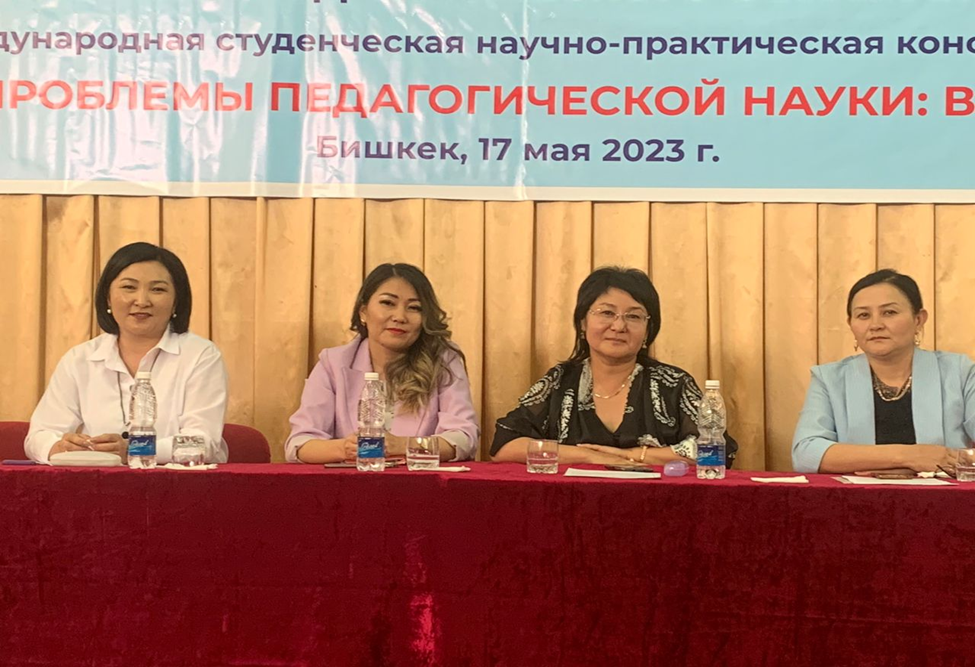
Currently, the department's staff actively participates in national and international scientific conferences, seminars, and throughout the year, they are engaged in advanced training in the disciplines taught, etc.
Students' research work / Students' educational research work:
Participation of students in research work is a mandatory element of training future specialists. Research activities of students are an effective tool for improving the quality of training specialists and are closely linked to the educational process.
The main organizational forms of students’ research work at the department:
- • Conducting classes with elements of scientific research;
- participation in round tables;
- participation of students in scientific conferences;
- participation of students in scientific, organizational and competitive events at various levels (departmental, faculty, republican).
The main objectives of students' scientific work:
- training in methods and means of independently solving scientific problems;
- development of students’ skills in organizing and managing scientific work;
- attracting students capable of solving scientific problems;
- developing students' ability to creatively apply the achievements of science and technology in practical activities.
The management of scientific research work is carried out by the teachers of the department. For employees of this category, scientific research activity is mandatory and is considered one of the main aspects of their work.


Faculty student Sezim Ryskulbekovna Satarkulova participated in the international educational project "Summer University," which took place from July 8 to July 22, 2024, at the Ural Federal University named after the first President of the Russian Federation, B.N. Yeltsin. Participation in this project was a significant step in her professional and personal development, allowing her to broaden her academic horizons, deepen her knowledge in her field, and establish valuable academic contacts with representatives from various countries. The program was rich and highly organized, including lectures by leading faculty, practical classes, and intercultural interaction.


Educational practice of the Department of TiMNDO
Students' pedagogical practice is an integral part of the professional education program and is conducted in accordance with the approved work plan and schedule of the educational process with the aim of consolidating the competencies and knowledge acquired by students during the theoretical training process, as well as mastering and deepening professional skills.
Purpose of practice:
- deepening and consolidating theoretical knowledge acquired at the university and its practical application in educational work with children;
- review of the normative plans developed by teachers (curriculum, curriculum);
- conducting educational and upbringing work taking into account the age and individual characteristics of students;
- conducting lessons using various methods and techniques that activate students’ cognitive activity;
- performing the functions of a class teacher;
- conducting class hours and extracurricular activities;
- conducting a general didactic and psychological analysis of the lesson;
- teaching student interns the secrets of the future teaching profession, developing and strengthening respect for the profession.
Taking these objectives into account, professional and specialized practice is carried out.
Objectives of the practice:
- creating conditions for the development of the student-intern’s abilities;
- management of the pedagogical process in the field of pedagogical education.
Types of practice:
Adaptation and pedagogical practice - 6th semester (3 weeks);
Professional and profile practice – VII semester (4 weeks).
Practice base:
The internship sites are schools in Bishkek and the regions of the Kyrgyz Republic:
- Secondary School No. 25
- Secondary School No. 74
- No. 26 preschool educational institution
- No. 64 preschool educational institution


Academic mobility
Academic mobility with the Republic of Kazakhstan holds a special place in the educational trajectory. This program promotes the strengthening of international cooperation, the exchange of experience, and the integration of modern educational practices. Participation in academic mobility programs opens new opportunities for academic growth, broadens professional horizons, and develops competitive specialists in the global educational environment.


Department contact:
Phone: 0(312) 21-11-81
Address: Chyngyz Aimatova, 27